 edward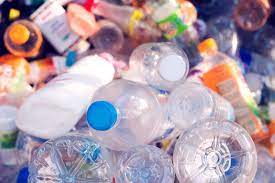
Plastic waste has become one of the most pressing environmental issues worldwide. Among the different types of plastics, PET, or polyethylene terephthalate, is one of the most widely used materials. It is commonly found in beverage bottles, food packaging, and other consumer products. While recycle PET is lightweight, durable, and versatile, its widespread use has led to significant environmental concerns. Recycling programs focused on PET are now seen as a crucial solution to address these issues, offering both ecological and economic benefits while supporting sustainability goals.
The Importance of Recycling PET
PET recycling plays a central role in reducing the environmental impact of plastic waste. Unlike many other plastics, PET is highly recyclable and can be processed multiple times into new products without significant loss of quality. By recycling PET, the volume of waste sent to landfills or polluting oceans is reduced, helping to minimize long-term ecological harm. Recycling also conserves energy, as producing recycled PET requires far less energy compared to manufacturing new plastic from raw petroleum. These benefits highlight why PET recycling programs are gaining importance across industries and communities.
How PET Recycling Programs Work
PET recycling programs are designed with systematic steps to ensure that waste is collected, processed, and repurposed effectively. The process typically begins with collection, where PET bottles and containers are gathered through community bins, industrial waste management systems, or deposit-return schemes. The next stage is sorting, where PET is separated from other plastics and contaminants to maintain high-quality recycling output. After sorting, the PET waste is cleaned, shredded into flakes, and melted down to create pellets. These pellets serve as raw material for manufacturing new bottles, packaging, textiles, and other products.
Community-Based PET Recycling Programs
Local communities play a significant role in PET recycling initiatives. Awareness campaigns, collection drives, and educational programs encourage households and businesses to separate PET waste at the source. Deposit-return schemes, where consumers are refunded for returning used bottles, have proven particularly effective in increasing recycling rates. Such community-driven programs not only minimize plastic waste but also foster a culture of sustainability among citizens. They empower individuals to take responsibility for their consumption habits and contribute to broader environmental goals.
Industrial PET Recycling Programs
Industries that rely heavily on PET packaging are increasingly implementing recycling initiatives as part of their sustainability strategies. These programs often include large-scale collection systems, partnerships with recycling facilities, and the use of recycled PET in production processes. Industrial recycling programs help close the loop by turning waste materials back into usable products, supporting the principles of a circular economy. This approach reduces the dependency on virgin plastic, lowers production costs in the long run, and aligns businesses with global sustainability standards.
Sustainability Benefits of PET Recycling
Recycling PET brings multiple sustainability benefits that extend beyond waste reduction. First, it conserves natural resources, as less oil and gas are required for producing new plastics. Second, it significantly cuts down greenhouse gas emissions, making recycling a key contributor to climate change mitigation. Third, recycled PET can be used to manufacture a wide range of products, including clothing fibers, carpets, and packaging materials, extending the lifecycle of plastic and reducing the demand for virgin resources. Together, these benefits help create a sustainable system that supports both the environment and the economy.
Challenges in PET Recycling Programs
Despite their effectiveness, PET recycling programs face several challenges. Contamination of PET waste with food residues or other plastics reduces the quality of recycled materials. Inadequate infrastructure in some regions makes collection and sorting difficult, limiting recycling efficiency. Public awareness is another barrier, as not all consumers are motivated or educated about proper disposal practices. Overcoming these challenges requires investments in technology, strong policy support, and continued education to ensure recycling systems function effectively.
Conclusion
PET recycling programs are essential for addressing the global challenge of plastic waste. By minimizing environmental impact, conserving resources, and supporting circular economy practices, these programs contribute significantly to sustainability. Both community-based and industrial initiatives are necessary to maximize recycling efficiency and participation. Although challenges remain, the growing emphasis on PET recycling demonstrates a shift toward responsible consumption and waste management. With sustained effort, PET recycling programs can help build a cleaner, more sustainable future while balancing economic and environmental needs.