 admin
admin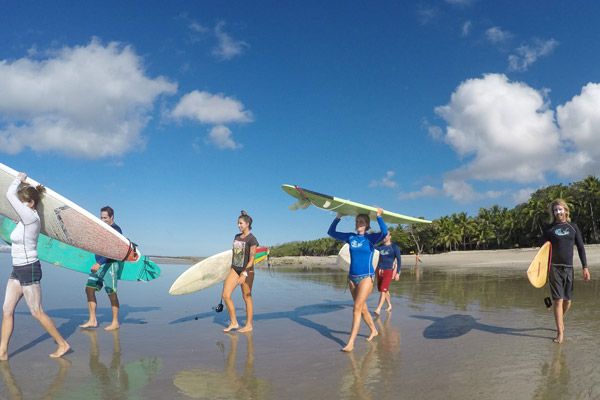
Costa Rica has steadily become one of the most data-backed surf destinations in the world. With coastlines on both the Pacific Ocean and the Caribbean Sea, the country records consistent wave activity for nearly 300 days a year. Surf-focused travel reports show that more than 65% of visitors seeking adventure activities rank surfing as a primary reason for choosing costa rica surf camp. This combination of reliable conditions, natural beauty, and well-developed tourism infrastructure makes surf camps an increasingly popular choice for beginners and experienced surfers alike.
How Do Costa Rica Surf Camps Support Skill Development?
Skill progression is at the core of most surf camp programs. Unlike casual surf lessons, camps are structured around measurable improvement. Daily schedules typically include water sessions, technique breakdowns, and video analysis. Surf performance studies suggest that surfers who train in immersive environments improve balance, wave selection, and paddling efficiency up to 40% faster compared to sporadic lessons.
Costa Rica’s beach breaks and reef breaks provide varied learning conditions. Beginners often start on gentle, sandy-bottom waves, while intermediate and advanced surfers transition to more technical sections. This tiered approach allows camps to group participants by ability, ensuring focused instruction and safer learning outcomes.
What Makes Costa Rica’s Surf Conditions Statistically Ideal?
Wave consistency is one of Costa Rica’s strongest advantages. Pacific coast regions receive long-period swells generated by Southern Hemisphere storms, especially between April and October. Data from surf climate studies indicate average wave heights ranging from 3 to 6 feet during peak season, ideal for skill-building without excessive risk.
Water temperatures remain stable year-round, averaging between 26°C and 29°C. This eliminates the need for heavy wetsuits, increasing comfort and reducing fatigue. These environmental factors contribute to longer session times and higher training efficiency.
Why Is Adventure an Integral Part of the Surf Camp Experience?
Surf camps in Costa Rica are designed around more than wave riding. Adventure elements are intentionally integrated to enhance overall engagement. Participants often explore coastal trails, waterfalls, and wildlife-rich areas during rest periods. Research on adventure tourism shows that multi-activity experiences increase traveler satisfaction scores by over 30%.
The country’s biodiversity adds a unique dimension to surf travel. Monkeys, tropical birds, and marine life are frequently observed near surf zones, creating a strong emotional connection with the environment. This blend of physical challenge and nature immersion aligns with the growing demand for experiential travel.
How Do Camps Balance Structure With Exploration?
Professional surf camps follow a balanced schedule model. Mornings are typically reserved for surf sessions when wind conditions are most favorable. Afternoons may include technique workshops, mobility training, or guided exploration. Evenings often focus on recovery and social interaction.
Travel behavior analytics indicate that structured-yet-flexible itineraries reduce burnout and improve retention of learned skills. This balance allows surfers to push their limits while still enjoying Costa Rica’s relaxed pace of life.
What Role Does Comfort Play in Modern Surf Camps?
Comfort has become a defining metric for surf camps targeting international travelers. Accommodation standards have evolved significantly over the past decade. Camps now emphasize ergonomic sleeping arrangements, nutritious meal planning, and dedicated relaxation spaces. Surveys show that over 70% of surf travelers consider accommodation quality equally important as wave access.
Costa Rica surf camps often feature open-air designs that promote airflow and natural cooling. Proximity to beaches reduces transit time, allowing participants to rest more between sessions. This focus on comfort supports physical recovery, which is essential for consistent performance improvement.
How Is Nutrition Integrated Into the Surf Camp Model?
Nutrition is treated as a performance variable rather than an afterthought. Meals are commonly designed around energy balance, hydration, and muscle recovery. Fresh fruits, lean proteins, and complex carbohydrates dominate menus, reflecting both local availability and sports nutrition principles.
Studies in endurance sports highlight that proper nutrition can improve session endurance by up to 20%. Surf camps that align meals with training intensity help participants maintain energy levels throughout the day, particularly during multi-session training schedules.
Why Is Costa Rica Ideal for All Skill Levels?
One of Costa Rica’s strengths lies in its scalability. Beginners benefit from forgiving waves and patient instruction, while advanced surfers gain access to more powerful breaks and challenging conditions. This inclusivity is supported by geographical diversity. Beaches with different orientations can be selected based on swell direction and wind patterns.
Statistical surf mapping shows that within a 30-kilometer radius, surfers can often find multiple wave types on the same day. This flexibility allows camps to adapt quickly, ensuring optimal conditions regardless of weather fluctuations.
How Do Surf Camps Enhance Safety and Confidence?
Safety protocols are central to professional surf camps. Instruction includes ocean awareness, rip current identification, and board handling techniques. Data from coastal safety studies indicate that surfers with formal training experience significantly fewer incidents compared to self-taught participants.
Qualified instructors monitor conditions and participant fatigue levels, adjusting session lengths accordingly. This supervised environment builds confidence, especially for newcomers who may feel intimidated by open-ocean surfing.
What Social Benefits Do Surf Camps Offer?
Beyond technical training, surf camps foster strong social connections. Group-based learning encourages collaboration and shared progress. Travel psychology research suggests that communal experiences increase perceived trip value and long-term satisfaction.
Participants often come from diverse backgrounds, creating an environment of cultural exchange. Shared challenges in the water naturally build camaraderie, which many travelers cite as a highlight of their surf camp experience.
How Does Costa Rica’s Culture Enhance the Experience?
Costa Rica’s lifestyle emphasizes balance, respect for nature, and well-being. This cultural backdrop complements the surf camp ethos. The concept of living in harmony with the environment aligns closely with surf culture, reinforcing mindful practices both in and out of the water.
Local traditions, language exposure, and regional cuisine add depth to the stay. Cultural immersion studies show that travelers who engage with local customs report higher overall trip fulfillment.
What Trends Are Shaping the Future of Surf Camps in Costa Rica?
Data-driven personalization is becoming a key trend. Camps increasingly tailor programs based on participant goals, fitness levels, and progression timelines. Wearable technology and video analytics are also being used to track improvements more precisely.
Sustainability is another growing focus. Eco-conscious travelers now account for a significant portion of surf tourism demand. Camps are responding with responsible waste management, water conservation, and support for local communities.
Why Do Costa Rica Surf Camps Stand Out in Long-Term Value?
When evaluating return on experience, Costa Rica surf camps score highly across multiple metrics: skill improvement, comfort, adventure, and cultural enrichment. Longitudinal travel studies indicate that immersive activity-based trips create stronger memories and higher likelihood of repeat visits.
Participants often leave with not only improved surfing ability but also enhanced confidence, physical fitness, and a deeper connection to the ocean. This multifaceted impact explains why Costa Rica continues to rank among the top destinations for surf-focused travel experiences.
Conclusion: Are Costa Rica Surf Camps the Complete Package?
From a statistical and experiential perspective, Costa Rica surf camps represent a well-rounded model of modern adventure travel. Consistent waves, structured skill development, high comfort standards, and rich natural surroundings work together to deliver measurable value. For surfers seeking progress without sacrificing comfort or adventure, Costa Rica’s surf camp experiences are strategically designed to meet those goals while offering lasting personal and athletic growth.