 edward
Groceries Can Be a Useful Gift if You Ask First
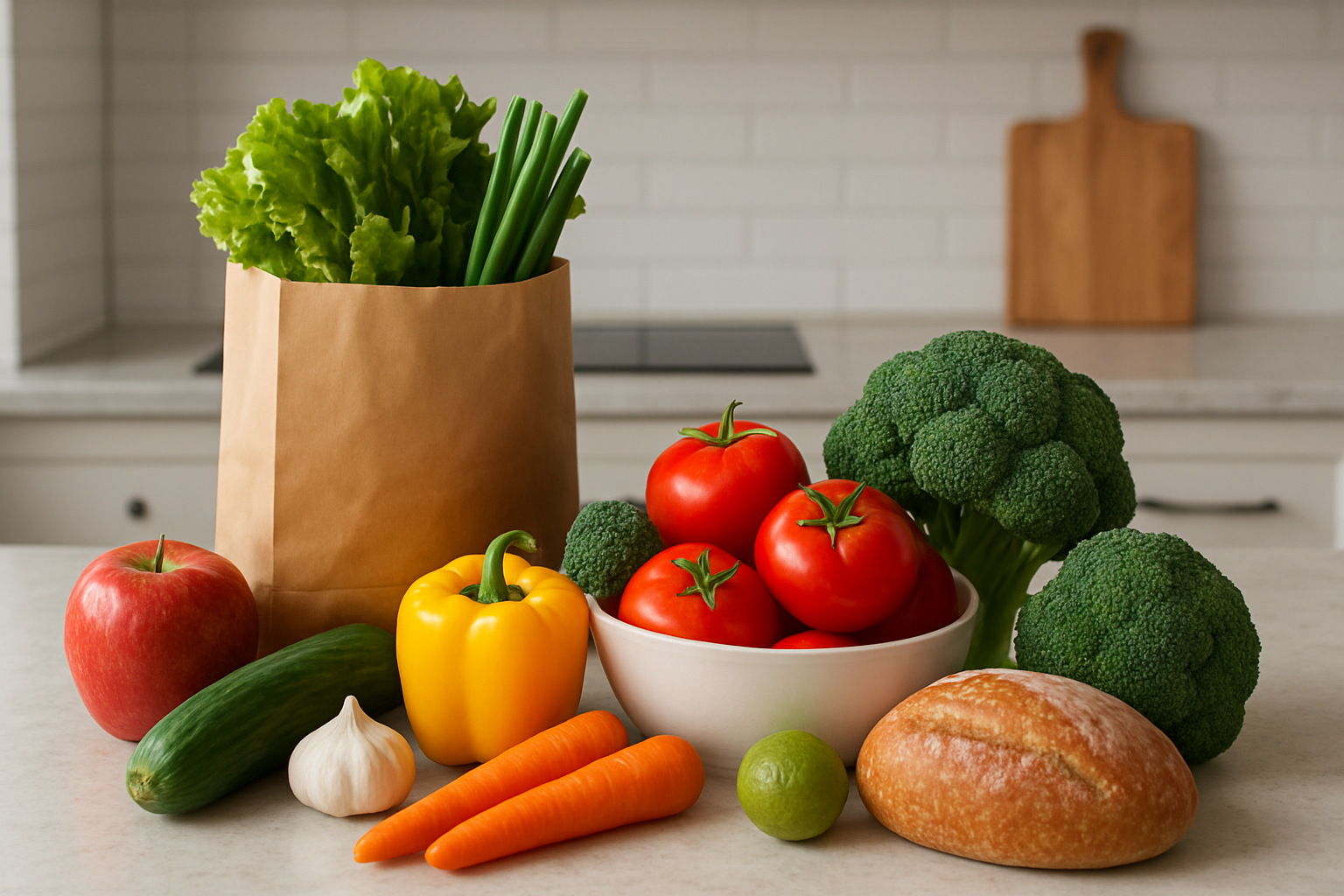
Groceries make a useful gift when the recipient wants them, has somewhere to store them and can use them in the form you provide. Ask before buying frozen food. The conversation may lead to a particular bag of dumplings, a cooked meal or an entirely different kind of help, and each can be the right answer.
The appeal of a food gift is easy to understand: you want someone to have one less thing to arrange. Yet an unexpected delivery can also create work. The recipient may need to clear freezer space, find a recipe or change dinner plans. A small amount of consultation keeps the gift connected to the person receiving it.
Start with the household’s actual needs
Ask what would be useful this week, rather than announcing what you intend to bring. The answer may be quite specific. Someone could want a familiar main component to keep frozen, while another person would prefer fresh produce or a meal ready to serve. These preferences tell you more than a general assumption that busy people always want convenience food.
Include the household in the question. A food one person enjoys may not suit the others who will share it. Check preferences and requirements without treating them as obstacles to your generosity. If the proposed filling is unsuitable, choose something else before money and effort have been spent.
A Charlotte recipient who wants to explore dumplings could look with you at the retailer map for Charlotte and the accompanying filling descriptions. For example, Fully Loaded Potato contains smoked pork bacon as well as potato, cheddar, onion, butter and sour cream. The specific description gives the recipient a meaningful choice before you investigate a purchase.
Check space before choosing frozen food
Freezer capacity is part of whether the gift is welcome. Ask about available room before deciding how much to buy. A person who says they can fit one modest purchase is giving useful information, not declining your kindness. Bringing more than they can store turns the arrival into an immediate household problem.
Do not assume a large refrigerator means an empty freezer. Shared households, existing meal plans and other frozen groceries can occupy the available space. You do not need a detailed inventory; you need a clear answer about whether the proposed food has a suitable place to go.
Arrange delivery around the recipient’s availability. Frozen groceries should not arrive as an unexplained package that waits while the household is elsewhere. Agree on a time and plan appropriate cold transport and prompt storage. If that arrangement is inconvenient, reconsider the format of the gift rather than making the recipient solve the logistics.
Ask whether a cooked meal would suit the recipient better
Uncooked groceries and a finished meal offer different kinds of help. Frozen dumplings still require preparation, equipment and attention. Holy Perogy’s products are sold frozen and uncooked, so a recipient should not be led to expect a ready-to-eat dinner. Explain what you are offering in those straightforward terms.
Someone who enjoys cooking may appreciate choosing when and how to prepare the food according to its instructions. Someone who cannot manage cooking right now may find that offer less useful. Ask which situation applies instead of assuming the frozen format automatically solves the person’s immediate need.
A cooked meal is not automatically the easier gift to arrange either. It needs suitable transport, timing and storage, and the recipient may have preferences about receiving prepared food. Discuss those details if that is the option they want. The decision comes before the shopping, not after a bag has been purchased and must be turned into something else.
Keep the package and instructions intact
If the recipient chooses frozen groceries, retain the original packaging. A gift bag or decorative container should not hide the product’s identity or separate it from the information needed to use it. The recipient benefits from seeing exactly what you bought, including the current ingredients and preparation directions.
A friendly note can identify the intended meal idea without replacing the label. You might mention that you thought the selected filling would work with a vegetable they already enjoy. Avoid writing your own universal cooking directions or suggesting that the food is ready after an unverified amount of time.
Keep gift presentation proportionate. Elaborate wrapping that must be removed before the food can go into the freezer adds another task. A clear product name and an agreed handoff may be more useful than an impressive display. The groceries are there to support a meal in the recipient’s home, not to remain arranged for a photograph.
Deliver a manageable meal rather than an obligation
Extra ingredients can be thoughtful if the recipient wants them. They can also expand a simple gift into a cooking assignment. Before adding several toppings, sauces and side-dish components, ask whether those items would help. A single preferred food may be easier to receive than a collection that requires coordinated preparation.
Avoid attaching a deadline to enjoying the gift beyond the food’s legitimate handling needs. The recipient does not owe you a special dinner, a photograph or a report on every flavor. If you have discussed the purchase and kept the information intact, they should be free to use it in the way that fits their household.
Accept a change of plan without persuasion. The most considerate result may be learning that groceries are not useful right now. Let the recipient direct the help: the value of the gift lies in how it serves them, not in how closely it follows the meal you first imagined.
What You Need to Know
- Groceries can be a useful gift if the recipient wants them, has storage space, and can use them as provided.
- Consulting with the recipient about their needs can lead to more specific and helpful choices instead of general assumptions.
- Before gifting frozen food, it’s important to check the available freezer space to avoid turning the gift into a logistical problem.
- If offering a cooked meal instead of uncooked groceries, it is essential to discuss transport and storage preferences with the recipient.
- Retaining the original packaging and instructions for frozen groceries is crucial for the recipient to understand what they are receiving and how to prepare it.